You might think the golf ball you use doesn’t really matter.
I used to hear that all the time.
But after cutting open over 300 golf balls on this channel — and now reacting to the latest data from MyGolfSpy — I can tell you this with confidence:
The ball absolutely matters.
In fact, MyGolfSpy said something that stopped me in my tracks:
“There’s more difference between golf balls than there is between drivers, irons, or wedges.”
That’s wild. And honestly? It lines up perfectly with what I’ve seen both on the course and on my workbench with Jeff.
If you’re new around here — Jeff is my golf ball cutting tool.
Yes, he has a name.
Yes, the community named him.
And yes… he’s developed a bit of a cult following 😂
So today, I’m reacting to the MyGolfSpy 2025 Golf Ball Test, sharing what surprised me, where I agree (and don’t), and cutting a few balls open to see what’s really going on inside.
Why This Test Actually Matters
MyGolfSpy has been testing golf balls for over five years now, and love them or hate them, the scale of this test is hard to ignore.
For 2025:
- 44 different golf balls tested
- 80+ hours of robot testing
- Multiple swing speeds
- Data captured using TrackMan and GCQuad
They measured:
- Distance
- Spin
- Consistency
- Dispersion
- Trajectory
No human error. Just raw numbers.
And while no test is perfect (more on that later), this gives us a really solid baseline. As a golf ball nerd, I wait for this test like Christmas morning every year.
Big Takeaway #1: “Soft Is Slow”… But Not Always
One of the biggest themes confirmed again this year was “soft is slow.”
Generally speaking:
- Softer balls = lower compression
- Lower compression = less ball speed
But here’s where things got interesting.
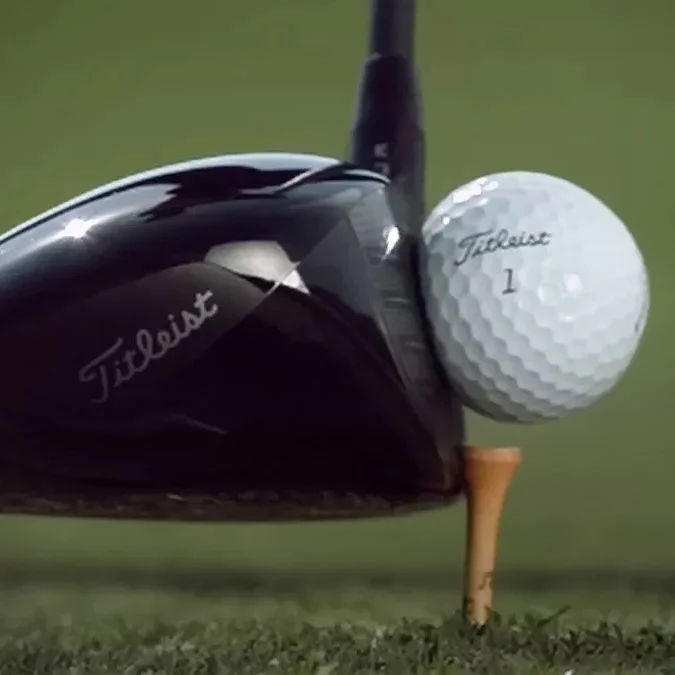
Callaway Supersoft — Credit Where It’s Due
I’ll be honest — I’ve criticised the Callaway Supersoft quite a bit on this channel, especially after cutting open newer models and seeing some inconsistent cores.
But… robot testing doesn’t lie.
What stood out:
- Held its own for distance at mid swing speeds
- Wasn’t the shortest iron ball, even against firmer options
- For a budget, low-compression ball, it performed way better than expected
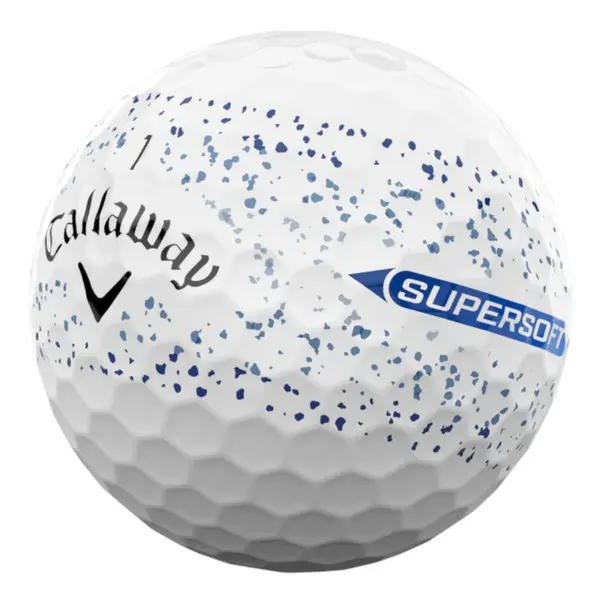
This ball has a compression under 50. It’s very soft.
When Jeff sliced it open, you can clearly see it’s a two-piece construction, and while I’m not a scientist, that big low-compression core definitely feels soft off the face.
So fair play — this one surprised me.
If you’ve got a slower swing speed, this is a ball worth revisiting.
Big Takeaway #2: Wedge Spin Is Where Balls Really Separate
This one didn’t shock me — but the numbers were still eye-opening.
The biggest differences between golf balls aren’t off the driver.
They’re around the greens.
MyGolfSpy found wedge spin gaps of nearly 4,000 rpm between balls.
Let that sink in.
TP5 vs Velocity — Night and Day
In 35-yard robot testing:
- TaylorMade TP5: over 6,000 rpm
- Titleist Velocity: just over 2,000 rpm
When Jeff cut these open side by side, the reason was obvious:
- TP5: firmer, higher-compression, urethane cover that grabs the grooves
- Velocity: two-piece ionomer construction built for speed, not spin
Around the greens, those two balls are playing completely different games.
Big Takeaway #3: You Don’t Need to Spend £50 for a Good Ball
This was hammered home loud and clear.
And the standout here?
Kirkland Performance+ Version 3.5
Now let’s be real for a second.
Since that legendary 2016 original, Kirkland balls have gone backwards.
Versions 2.0 and 3.0 were spinny, inconsistent, and… yeah, not great.
But this new one?
Honestly — it’s the best Kirkland since the original.
Robot testing showed:
- Longer and straighter than a Titleist Pro V1 off the driver
- Plenty of stopping power on wedges
- Very solid consistency
Jeff revealed a three-piece construction inside.
Is it perfect? No.
But at under $20 a dozen, it’s seriously impressive — and I’ve done a deep dive on this golf ball comparing it to the new Pro V1 golf ball below:
One Result That Didn’t Surprise Me at All
The TaylorMade Tour Response.
I’ve been banging on about this ball all year — and the data backed me up.
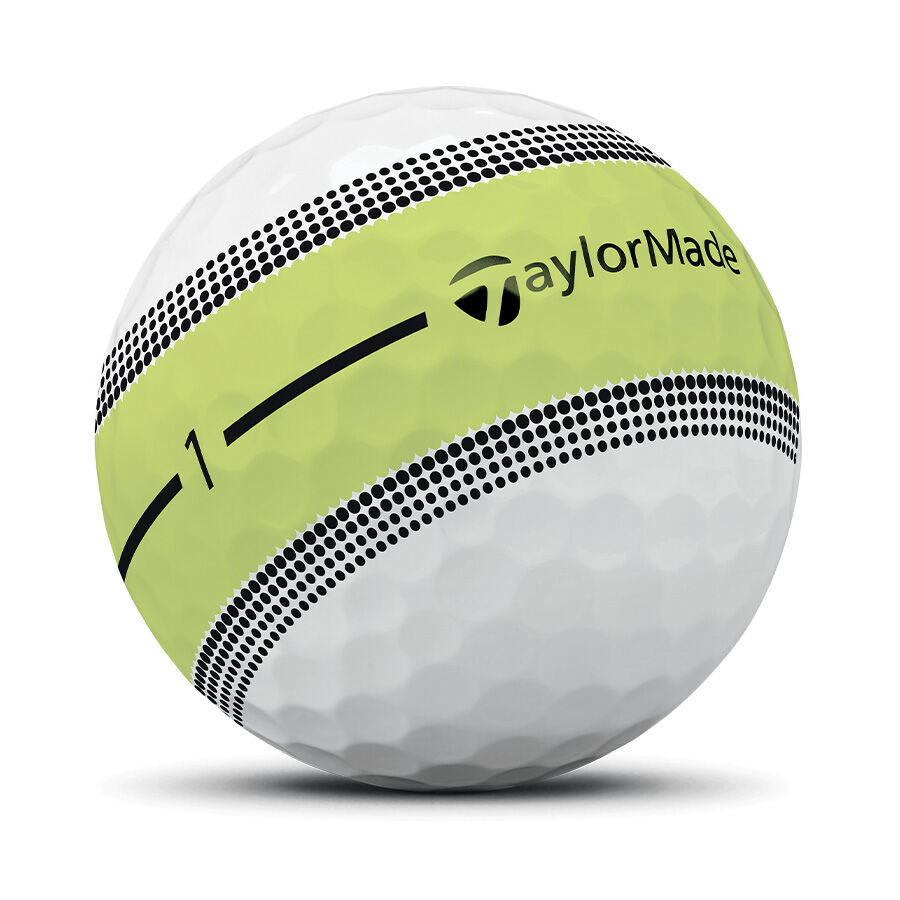
Robot testing showed:
- Excellent driver distance with lower spin
- Playable iron and wedge spin
- Strong performance across multiple swing speeds
What really stood out was consistency.
This wasn’t just a “cheap tour ball” — it matched or beat several $50+ balls in carry distance and trajectory.
Sometimes it’s just nice when the numbers agree with what you’re seeing on the course yourself.
My Gripes With the Test (Because No Test Is Perfect)
I wasn’t alone here — plenty of readers raised these too.
1️⃣ Missing Brands
I’d love to see balls from:
- Legato
- Snell
- OnCore
- Trust Golf
- LA Golf
These get mentioned constantly in my comments. Golfers are actually playing them — so let’s test them.
2️⃣ Swing Speed Assumptions
MyGolfSpy used 102 mph as a “mid swing speed”.
That’s quick.
The average male amateur is closer to 93–95 mph, so while the data is useful, it might not fully reflect what most of us are doing on a Saturday morning medal.
My Overall Verdict
This test proves one thing beyond doubt:
The golf ball you choose can change your game more than you think.
Whether you’re spending £50 on a premium ball or £20 on a budget option, performance differences are real.
If you want the standouts across swing speeds, MyGolfSpy’s data points to:
- Titleist Pro V1 – still the gold standard for consistency
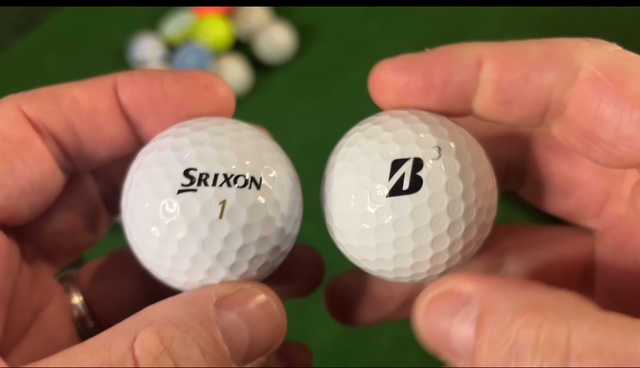
- Srixon Z-Star Diamond – brilliant wedge spin with solid distance
- TaylorMade Tour Response – outstanding value-for-performance
And yes… I’ll be cutting more of these open with Jeff very soon 👀
Over to You
What do you think about the MyGolfSpy results?
Any balls surprise you? Any you think were missing?
Drop a comment below and let me know — and if you want to find the perfect golf ball for your game then check out my golf ball buying guide.
About the Author
Craig is the creator of UpCloseGolf, where he’s cut open and reviewed over 300 golf balls to help golfers choose the right ball for their game. He’s also the owner of Fun Golf, a top-ranked UK golf blog, and an Amazon best-selling golf author. As an Amazon Associate, I earn from qualifying purchases.